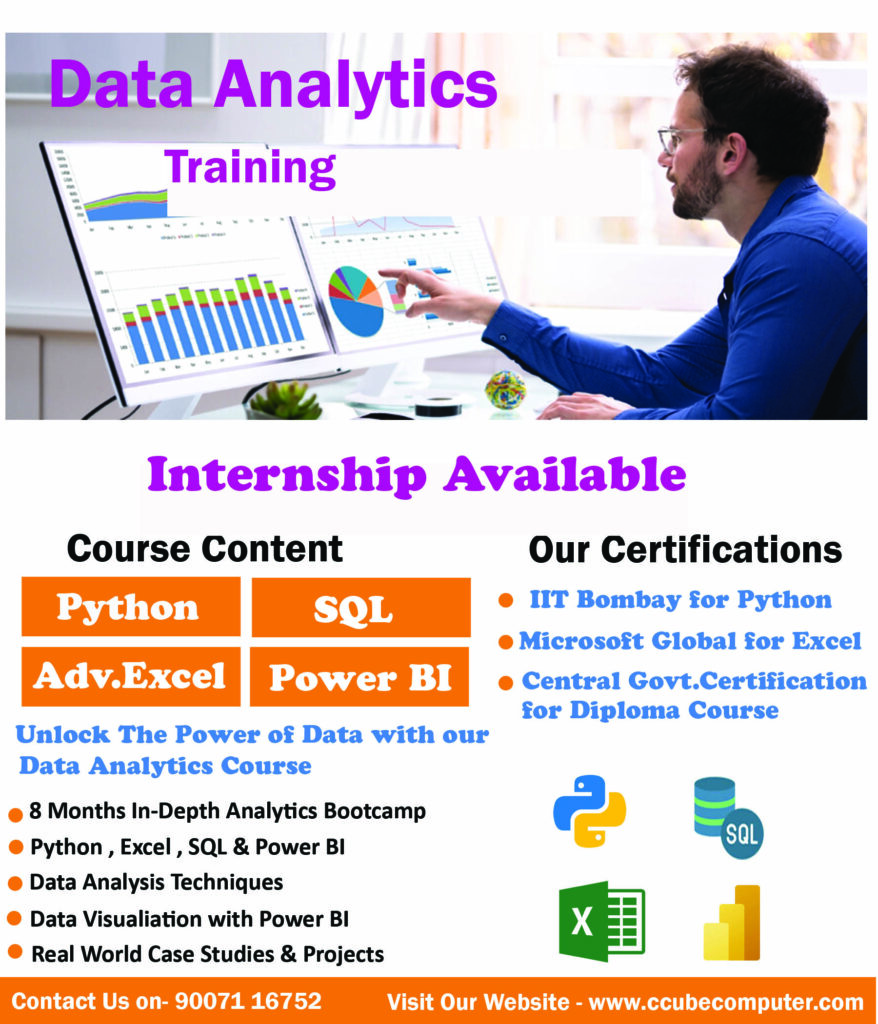
How Beginners Can Start Learning Data Analytics in Kolkata ?
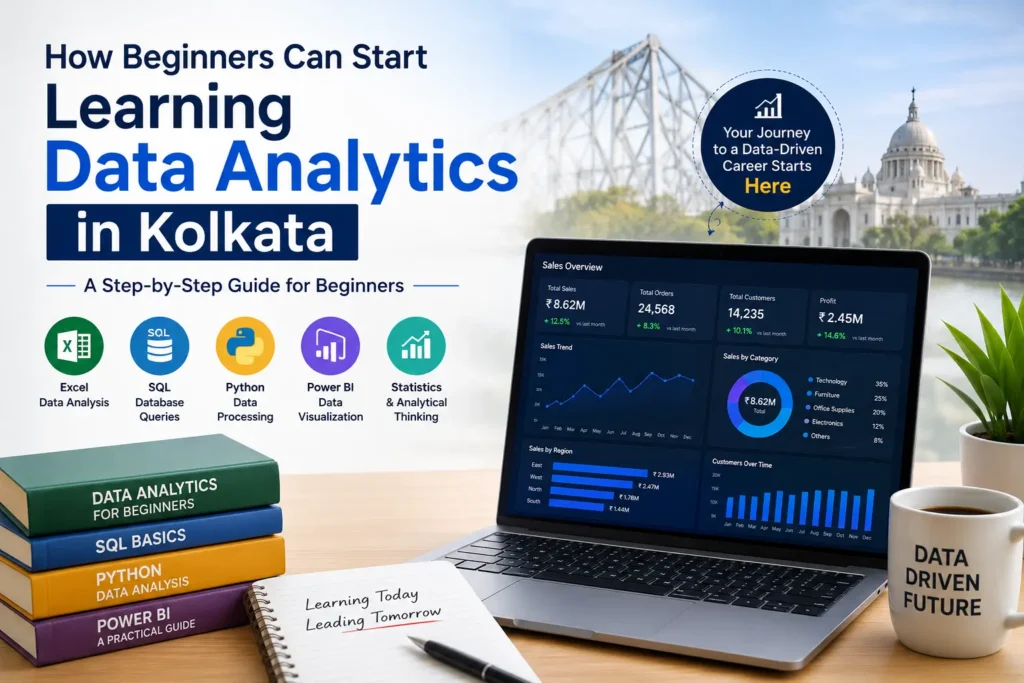
As educators associated with computer training and student skill development for more than 25 years, we have observed that many students and working professionals in Kolkata are now exploring Data Analytics as a career option because of the growing importance of data-driven decision-making across industries.
However, beginners often feel confused about where to start, which tools to learn first, whether coding is necessary, and how to build practical skills step-by-step. With so many online resources, courses, and career suggestions available today, learners sometimes struggle to identify a clear and structured learning path.
From our experience, the best way to start learning Data Analytics is through a gradual, practical, and industry-oriented approach that focuses on understanding data, analytical thinking, business reporting, and real-world problem-solving instead of simply memorizing tools or concepts.
In this guide, we would like to share practical insights that may help beginners understand how to start learning Data Analytics in Kolkata in a structured and realistic way.
Why More Beginners Are Exploring Data Analytics Today ?
Data Analytics has gradually become one of the most widely discussed career fields because businesses today depend heavily on data to understand customer behavior, improve performance, monitor operations, and make informed decisions.
From retail and healthcare to finance, education, marketing, and IT, organizations are increasingly using dashboards, reports, and analytical insights in their daily operations. As a result, students and working professionals are now exploring analytics as a practical career path with long-term learning opportunities.
Some common reasons why beginners are showing interest in Data Analytics include:
- Growing demand for analytical and reporting skills
- Use of data across almost every industry
- Opportunities to work with dashboards and business insights
- Availability of practical tools like Excel, SQL, Python, and Power BI
- Increasing awareness about data-driven decision-making
- Career flexibility for both technical and non-technical learners
Readers looking for a structured learning environment can also explore our guide on selecting a Data Analytics Training Institute in Kolkata.
Is Data Analytics Difficult for Beginners?
One of the most common questions beginners ask is whether Data Analytics is difficult to learn. From our experience, the answer depends more on learning approach and consistency than technical background.
Many beginners assume that analytics requires advanced programming knowledge from the beginning. In reality, most learners start with basic data handling, reporting concepts, Excel analysis, and gradual exposure to analytical tools.
A step-by-step practical learning approach often makes the subject easier to understand.
Beginners can usually progress more comfortably when they focus on:
- understanding data gradually
- practicing with small datasets
- learning one tool at a time
- developing logical and analytical thinking
- working on practical examples instead of only theory
What Skills Should Beginners Learn First in Data Analytics?
From our experience, beginners should focus on building a strong foundation instead of trying to learn multiple advanced tools together. Understanding how data is collected, organized, analyzed, and presented is more important during the initial learning phase.
1) Python for Analytical Learning
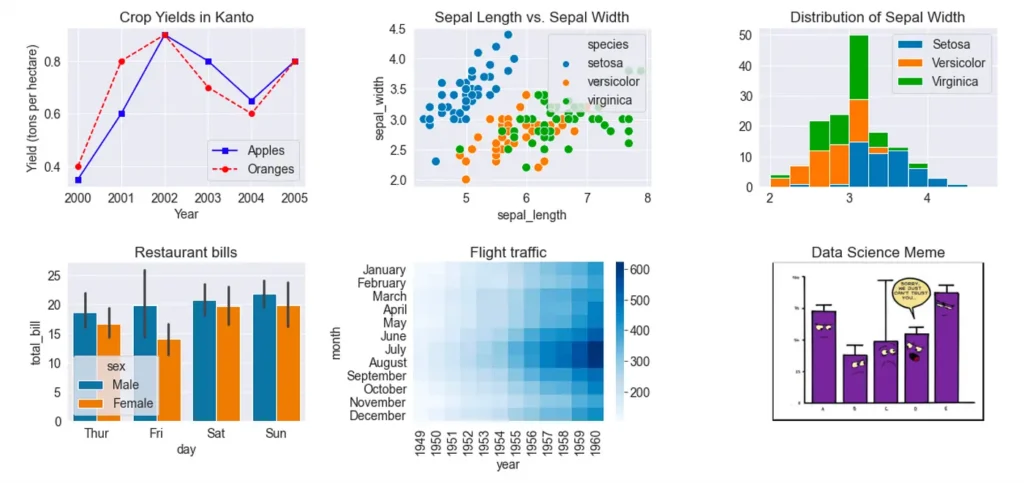
Python is widely used in modern analytics because it helps automate data analysis and handle larger datasets efficiently.
For beginners, the focus should remain on:
- basic programming logic
- data handling
- Pandas
- data analysis
- visualization basics
2) MySQL for Database Understanding
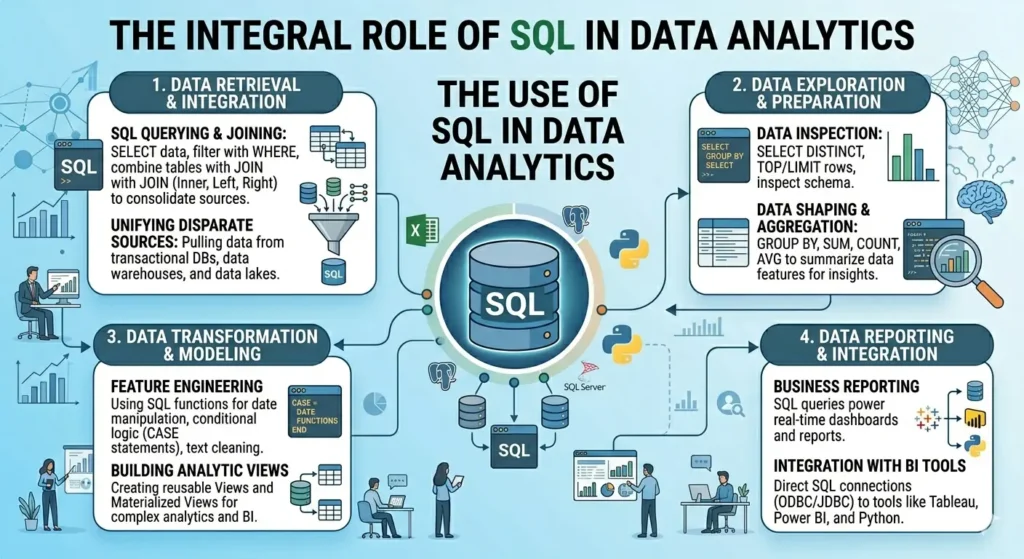
SQL helps learners understand how business data is stored, filtered, and analyzed from databases. It is widely used for reporting and data management across industries.
Beginners can gradually learn:
- data filtering
- sorting
- joins
- aggregate functions
- query writing
- business reporting concepts
3) Advanced Excel for Data Analysis
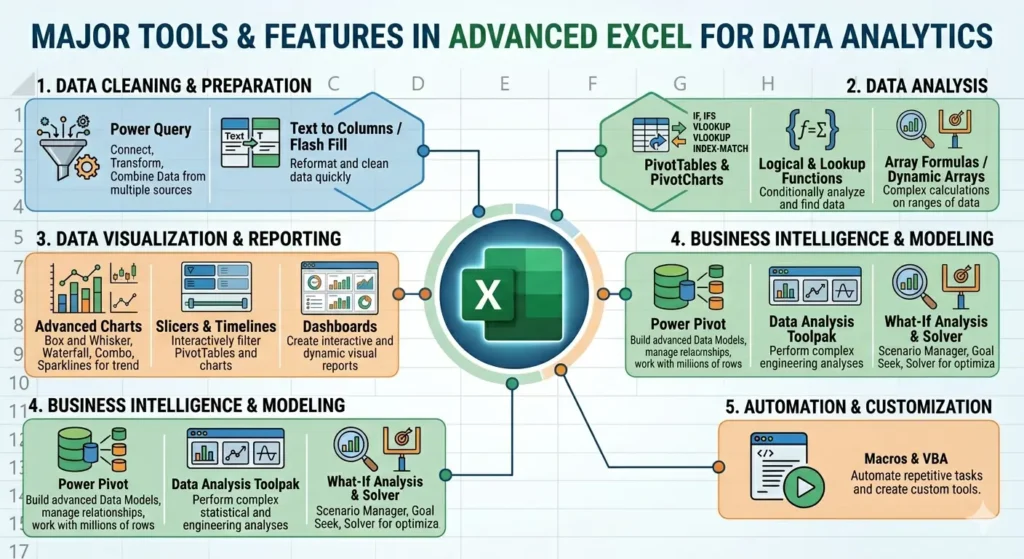
Excel remains one of the most practical tools for beginners because it helps learners understand reporting, formulas, data organization, dashboards, and business analysis in a simple way.
Important areas include:
- formulas and functions
- Pivot Tables
- data cleaning
- conditional formatting
- dashboard creation
- reporting concepts
Students interested in structured practical learning can also explore our detailed guide on Practical Data Analytics Courses in Kolkata.
4) Power BI for Dashboard & Visualization
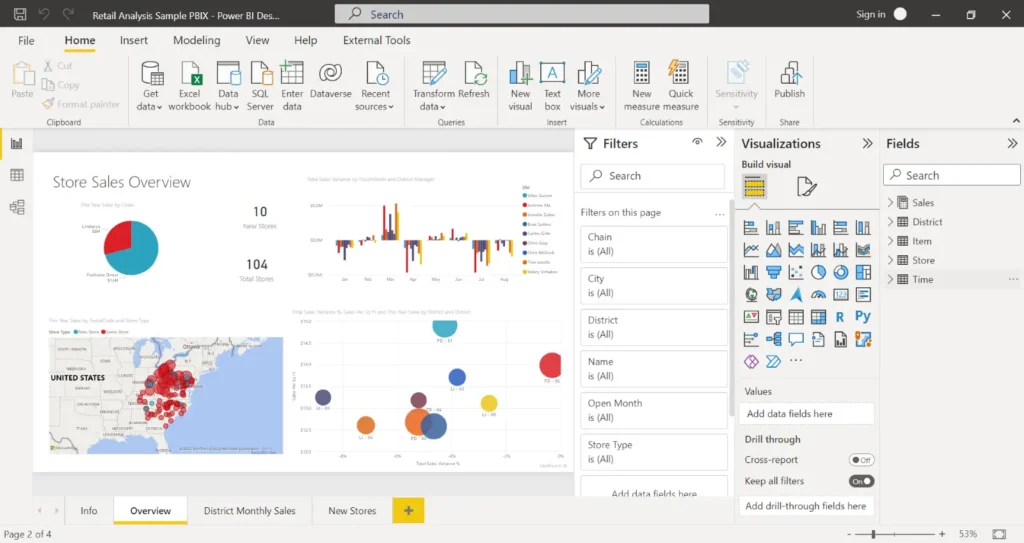
Power BI helps learners create interactive dashboards and visual reports used in business environments.
Beginners can gradually understand:
- charts and visualizations
- KPI dashboards
- report design
- filters and slicers
- business reporting flow
5) Basic Statistics & Analytical Thinking
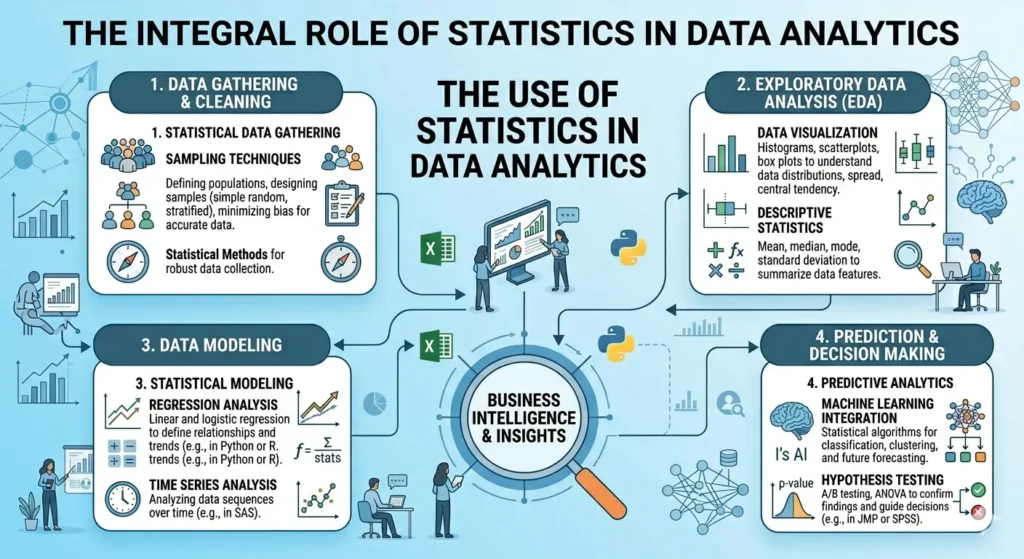
A basic understanding of statistics helps beginners interpret data more logically and confidently.
Some useful foundational areas include:
- mean, median, and mode
- trends and comparisons
- variance and standard deviation
- probability basics
- analytical interpretation
Why Practical Learning Is Important for Beginners ?
From what we have observed over the years, beginners understand analytics more effectively when they work with practical datasets, dashboards, reports, and business examples instead of depending only on theoretical explanations.
Practical learning helps students gradually develop confidence, logical thinking, and analytical understanding through continuous hands-on experience.
Some advantages of practical learning include:
- better understanding of business data
- improved confidence while working with tools
- stronger analytical thinking
- real-world exposure through projects and reporting
- better preparation for interviews and workplace tasks
Students who want to understand how practical learning supports long-term career growth can also explore our detailed guide on:
“How Practical Data Analytics Training Helps Build Career Opportunities in Kolkata”.
Common Mistakes Beginners Make While Learning Data Analytics
From our experience, many beginners become confused because they try to learn too many concepts together without following a structured learning approach.
Some common mistakes include:
- focusing only on certificates instead of skills
- trying to learn multiple tools simultaneously
- ignoring practical projects and datasets
- depending completely on theoretical learning
- expecting immediate job results without consistent practice
- learning tools without understanding business applications
A gradual and practical learning process usually helps learners build stronger long-term understanding.
Can Non-Technical Students Learn Data Analytics?
Yes. From our experience, many students from commerce, arts, management, and non-technical backgrounds are now successfully exploring analytics learning.
Beginners do not necessarily need advanced programming knowledge to start learning Data Analytics. A practical and step-by-step learning approach often helps learners gradually develop analytical thinking and technical understanding over time.
What matters more is:
- curiosity to work with data
- consistency in practice
- willingness to learn analytical concepts
- interest in reporting and problem-solving
This is one of the reasons why Data Analytics is increasingly becoming popular among students from different educational backgrounds.
Career Opportunities After Learning Data Analytics
As industries increasingly depend on reporting, dashboards, and business insights, learners with practical analytics skills are gradually finding opportunities across multiple sectors.
Some common career opportunities include:
- Data Analyst
- Business Analyst
- Reporting Analyst
- MIS Executive
- Dashboard Analyst
- Business Intelligence Analyst
- Data Visualization Executive
- Operations Analyst
- Customer Insights Analyst
These opportunities continue to expand as organizations rely more on data-driven decision-making and business reporting systems.
How Beginners Can Choose the Right Learning Approach ?
Choosing the right learning environment is often important for beginners because proper guidance, structured learning, and practical exposure can make the learning journey smoother and more effective.
From our experience, beginners should look for:
- practical learning approach
- industry-oriented curriculum
- gradual learning structure
- project-based understanding
- mentor guidance
- opportunities to practice with real datasets
Students who want to explore a structured and practical learning path can also read more about our Practical Data Analytics Courses in Kolkata and curriculum approach.
Explore More Career Guidance on Data Analytics
Students interested in learning more about Data Analytics careers, practical learning approaches, and industry trends can also explore our detailed guidance articles:
- How Practical Data Analytics Training Helps Build Career Opportunities in Kolkata ?
- Why Students in Kolkata Are Choosing Data Analytics as a Career in 2026 ?
- Top 10 Computer Courses in Kolkata for Career Growth in 2026
Frequently Asked Questions
Can beginners learn Data Analytics without coding?
Yes. Beginners can start with tools like Excel and gradually move toward SQL, Power BI, and Python through step-by-step learning.
Which tools should beginners learn first in Data Analytics?
Beginners usually start with Excel, followed by SQL, Power BI, basic statistics, and Python fundamentals.
Is Excel important in Data Analytics?
Yes. Excel is still widely used for reporting, dashboards, data cleaning, and business analysis.
How long does it take to learn Data Analytics?
The learning duration depends on consistency, practical exposure, and learning approach. Beginners generally require gradual and continuous practice.
Can commerce students learn Data Analytics?
Yes. Many commerce and non-technical students are now exploring analytics because of its practical business applications.
Is practical learning important in Data Analytics?
Yes. Practical learning helps beginners understand how analytics tools and reporting concepts are used in real business environments.
About the Author
Sudipta Chakraborty

Sudipta Chakraborty is the Centre Director and senior faculty mentor at C-Cube Centre of Computer Education, Kolkata, with more than 25 years of experience in computer education, student mentoring, and career-oriented skill development. He regularly writes about Data Analytics, emerging technologies, career trends, and practical learning approaches to help students and professionals make informed career decisions.
Connect with Sudipta Chakraborty on LinkedIn for insights on technology education, career guidance, and practical skill development.